How to Choose Coffee Beans: A Beginner's Guide
Share
Standing in front of a coffee shelf — or scrolling a website with forty different bags — it's easy to freeze up. Origin, roast level, blend vs. single-origin, tasting notes you've never heard of. Here's what actually matters when you're choosing a coffee, and what you can safely ignore.
Start with roast level, not origin
Roast level has the biggest effect on how a coffee tastes, so it's the first decision to make:
- Light roast — more acidity, more of the bean's original fruit and floral character. Best if you like tea-like brightness.
- Medium roast — balanced, the most forgiving starting point if you're not sure what you like yet.
- Dark roast — bolder, more bitter, less acidic. Best if you drink coffee with milk or want something that stands up to cream and sugar.
Single-origin vs. blend
A single-origin coffee comes from one country, often one specific farm or region — you're tasting a distinct place. A blend combines beans from multiple regions to build a consistent, balanced cup you can rely on morning after morning.
Neither is "better" — it's a different goal. If you want to taste what makes Ethiopian coffee taste like Ethiopian coffee, get a single-origin. If you want the same great cup every single day without thinking about it, a blend is built for exactly that.
Read the roast date, not just the "best by" date
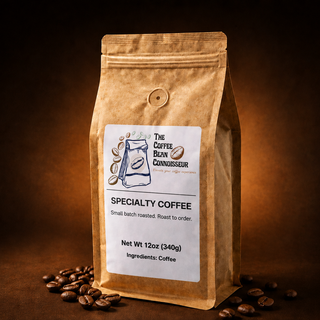
Coffee is at its best in the first few weeks after roasting, then it slowly goes flat. A bag with a roast date is a strong signal the coffee was actually roasted recently — a "best by" date alone can hide beans that sat around for months before shipping. We roast to order and ship the same day for exactly this reason.
Not sure yet? Start small
If you genuinely don't know what you like, don't commit to a full bag. Our sample packs let you try a handful of roasts and origins side by side, so your next full-size bag is a coffee you already know you love.